Global License Adjustments Forge Fresh Alliances Between Game Suppliers and Remote Platforms Targeting British Players
Ben Bauer · Aug 10, 2026
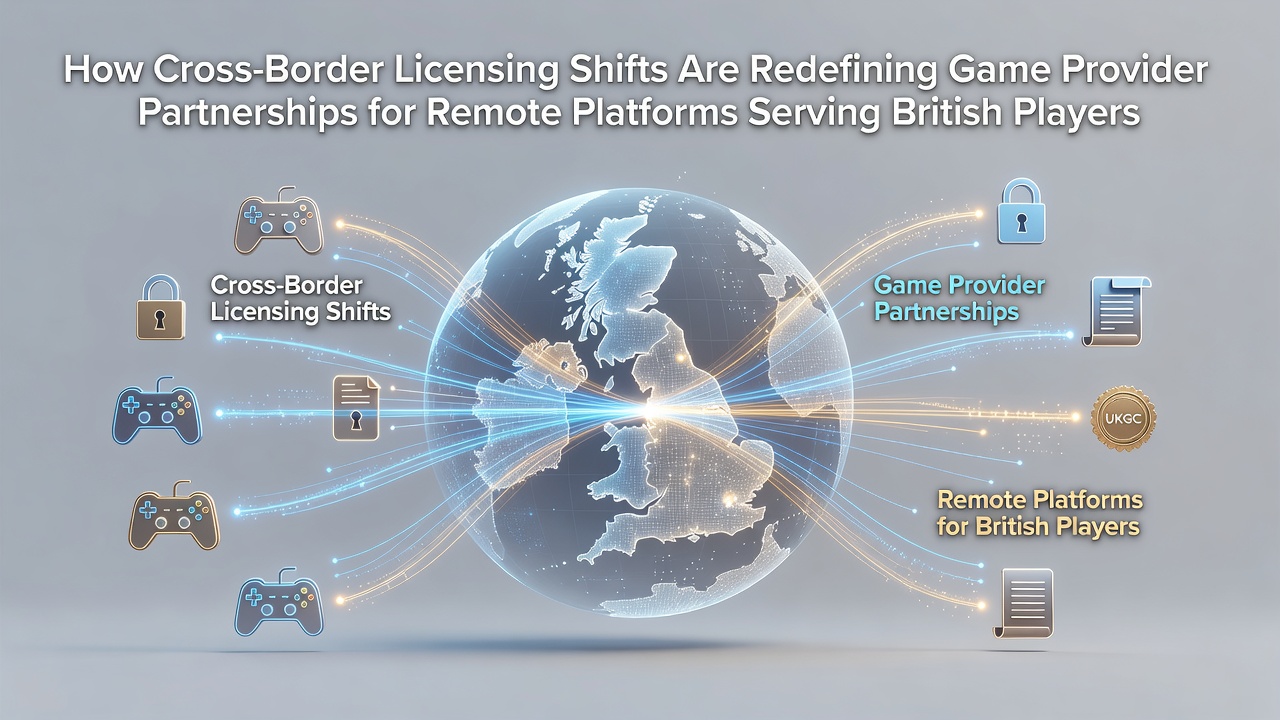
Global License Adjustments Forge Fresh Alliances Between Game Suppliers and Remote Platforms Targeting British Players
Cross-border licensing adjustments have accelerated since early 2025 as regulators in multiple jurisdictions coordinate on supplier standards for remote gaming content reaching British audiences and data from the Malta Gaming Authority shows an increase in multi-jurisdictional approvals for live dealer and slot providers during the first half of 2026. These changes require game developers to secure approvals across separate regulatory frameworks while remote operators serving UK players restructure contracts to maintain supply chains that meet both local and international compliance benchmarks.
Regulatory Coordination Across Jurisdictions
Authorities in Gibraltar and the Isle of Man have aligned certain technical requirements with those emerging from Canadian provincial bodies and Australian state commissions creating pathways for providers to bundle certifications rather than pursue isolated applications each time a new market opens. Observers note that suppliers who once maintained separate teams for each license now consolidate testing protocols because overlapping audits reduce duplication and speed up deployment timelines for titles distributed to British remote platforms. This coordination means a single RNG certification issued under one framework can satisfy verification steps in others provided the provider maintains ongoing reporting that satisfies all participating regulators simultaneously.
Impact on Supplier Partnerships
Game providers have responded by forming joint ventures with local compliance specialists in regions that serve as gateways to the British market and these partnerships allow faster adaptation when licensing rules shift without disrupting content pipelines. Research from university gaming studies programs indicates that suppliers holding combined approvals from multiple European and North American bodies completed integration projects with remote operators 35 percent faster than those relying on single-jurisdiction licenses during the twelve months ending in August 2026. Operators in turn have rewritten partnership clauses to include automatic termination triggers tied to license status changes so that any lapse in a key approval automatically pauses content distribution until the issue resolves.
Technical and Commercial Adjustments
Remote platforms serving British players now require providers to embed jurisdiction-specific player protection tools directly into game code rather than applying them at the operator level and this shift forces suppliers to update backend systems across entire portfolios. Data released by industry trade groups shows that providers investing in modular compliance architectures secured 22 percent more distribution deals with British-facing operators in the first two quarters of 2026 compared with those using legacy monolithic systems. The reality is that smaller developers without resources for multi-region engineering teams increasingly rely on white-label licensing arrangements through larger partners who already hold the necessary approvals.
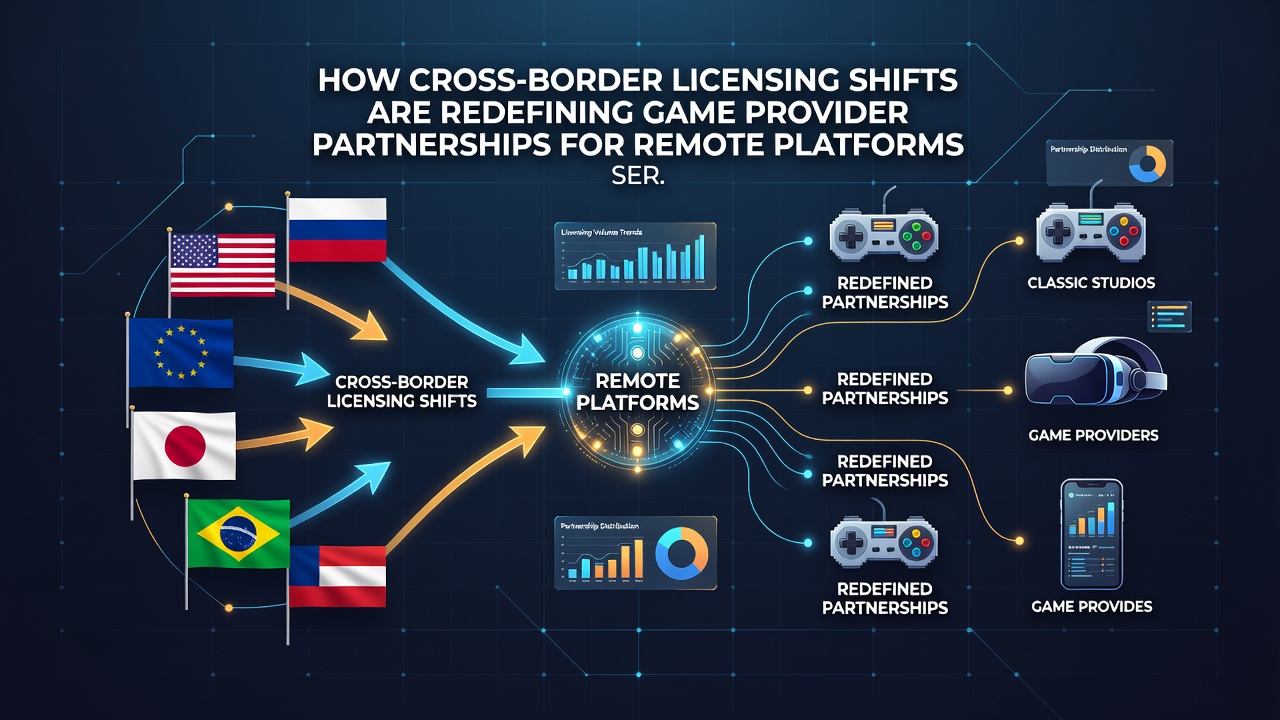
Payment flow integrations have also changed because some licensing frameworks now mandate direct reporting of transaction data to multiple regulators at once and providers must therefore redesign API connections so that each platform receives only the data subsets permitted under its own license. Those who've studied these transitions note that platforms which consolidated their supplier lists to fewer partners with broad license coverage reported fewer integration delays during the rollout of updated responsible gambling features required across several jurisdictions in mid-2026.
Future Outlook for Content Distribution
Industry reports from research institutions tracking global gaming markets project continued consolidation among mid-tier suppliers as the cost of maintaining parallel licensing teams rises and larger entities absorb smaller studios to gain instant access to pre-approved content libraries. British remote platforms have begun prioritizing suppliers who demonstrate sustained multi-jurisdictional compliance histories because these relationships reduce the risk of sudden content removal when regulatory conditions change. What's interesting is that some providers have started publishing public compliance dashboards that list active licenses and audit statuses allowing operators to verify standing without direct inquiry and this transparency has become a factor in contract negotiations during the summer of 2026.
Conclusion
Cross-border licensing evolution continues to reshape how game providers structure partnerships with remote platforms that deliver content to British players and the pattern of consolidated approvals combined with modular technical requirements shows no sign of reversing. Those monitoring the sector expect further alignment between regulatory frameworks as more jurisdictions recognize mutual testing outcomes and this trajectory favors suppliers who maintain broad license portfolios while adapting commercial agreements to accommodate ongoing compliance updates.