Networked Prize Pools Reshaping Player Interactions with Mobile Slot Engagement in Regulated Gambling Markets
Bianca Schwarz · Aug 24, 2026
Networked Prize Pools Reshaping Player Interactions with Mobile Slot Engagement in Regulated Gambling Markets
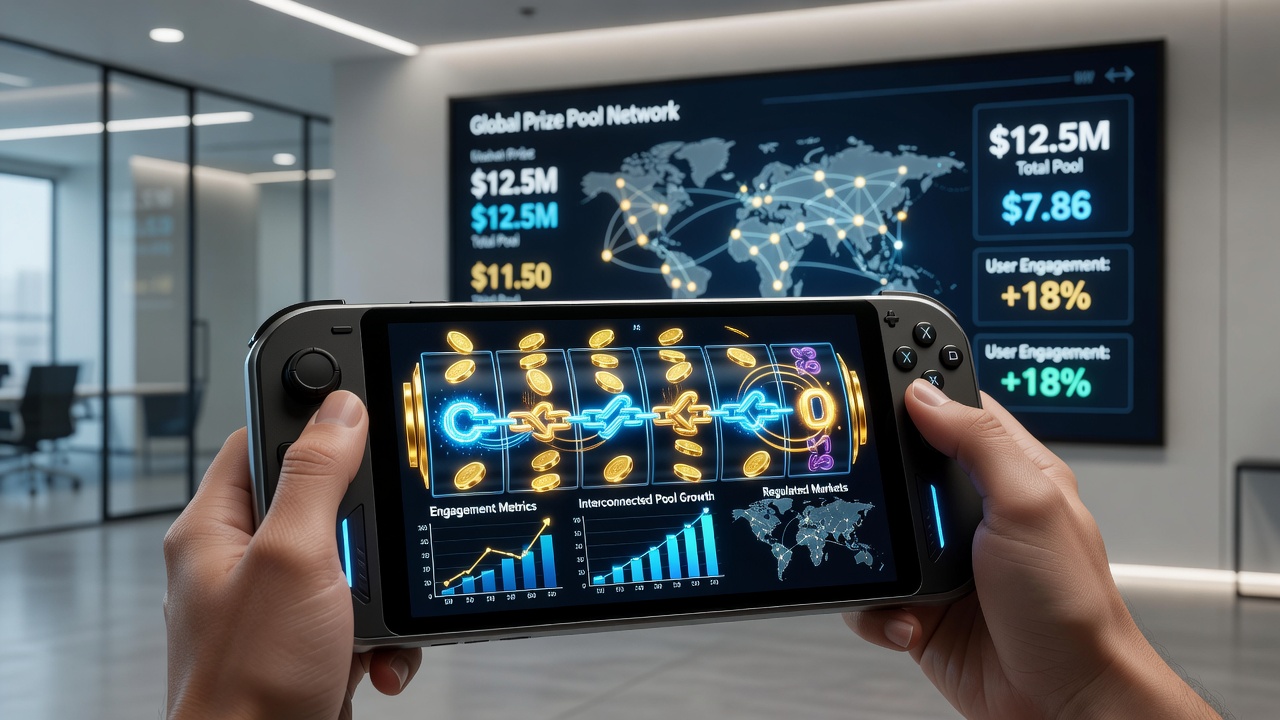
Networked prize pools connect multiple slot machines across different locations and platforms so that a single jackpot grows from contributions at every participating terminal, and this structure has produced measurable shifts in how players approach handheld reel interfaces in regulated markets. Data from various licensing jurisdictions shows that these linked systems draw longer session times on mobile devices compared with standalone games because the visible meter climbs in real time and creates repeated visual cues for potential large payouts.
Mechanics Behind Interconnected Prize Pools
Operators allocate a small percentage of each wager to a central pool that feeds progressive meters displayed on every connected machine, including those accessed through handheld interfaces, while regulatory rules in most licensed regions require clear disclosure of contribution rates and payout frequencies. The result appears in session logs where players return to check meter growth at intervals throughout the day, a pattern documented in operator analytics from multiple jurisdictions. In August 2026 several markets reported continued expansion of these networks onto mobile channels as licensing frameworks updated technical standards for remote display of live jackpot figures.
Engagement Patterns on Handheld Reel Interfaces
Handheld devices present the same progressive meters through compact screens, yet touch controls and push notifications allow players to monitor growth without remaining in one physical location, and researchers tracking anonymized play data note spikes in log-in frequency when meters cross round-number thresholds. One study of regulated mobile platforms found that sessions initiated after a meter update lasted on average 18 percent longer than sessions started at static meter levels. The structure encourages repeated short checks rather than single extended sessions, because the interface can deliver instant alerts when another player's contribution pushes the total higher.
Regulatory Frameworks Across Jurisdictions
Licensing authorities in North America and parts of Europe maintain separate rules for progressive systems that require independent testing of random number generators and pool allocation formulas before interconnection receives approval. Nevada Gaming Control Board records indicate that linked progressive approvals increased by 12 percent between 2024 and 2026 as mobile integration standards matured. Similar oversight in Australian states demands public reporting of aggregate contributions and wins, giving researchers access to aggregated figures that reveal engagement differences between stand-alone and networked titles on portable devices.
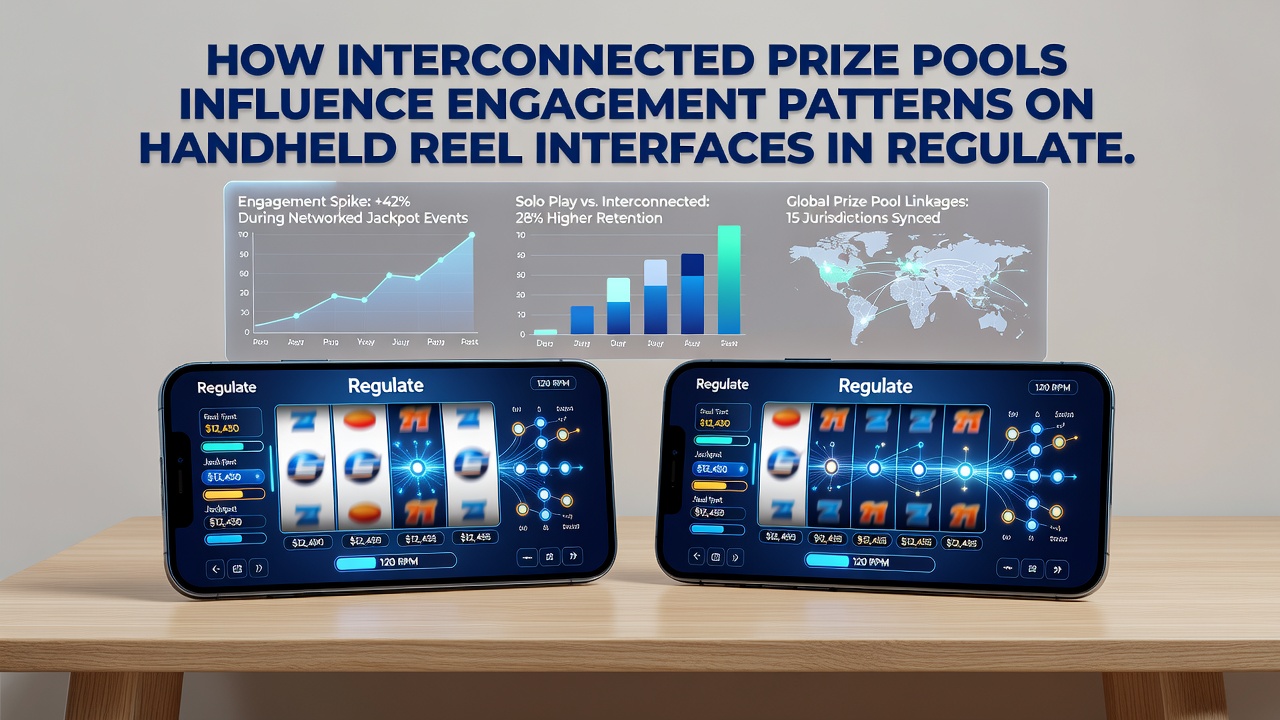
Players in these environments often switch between multiple games within the same network because the shared pool remains visible across titles, and this behavior appears in heat-map analyses of app navigation paths. The constant visibility of a growing total on the handheld screen sustains attention even during periods when individual reels produce no returns, a pattern operators have documented through timestamped event logs submitted to regulators.
Data Trends and Market Observations
Industry reports compiled by research institutions show that markets permitting interconnected progressives record higher average daily active users on mobile channels than markets restricting such linkages. Figures released by provincial regulators in Canada, for instance, demonstrate that handheld access to networked pools correlates with increased frequency of deposits under daily limits, because players top up smaller amounts to stay in the running for the shared prize. Academic analyses from university gaming studies centers further indicate that the psychological effect of watching a meter rise operates similarly across device sizes, yet the portability of handheld interfaces amplifies the number of discrete checking events per player per day.
August 2026 data snapshots from several licensed operators revealed that mobile sessions ending with a jackpot win from an interconnected pool generated follow-up log-ins within 48 hours at rates nearly double those seen after standalone wins. This repeat engagement stems directly from the structure of the pool, which resets or continues depending on rules set by each jurisdiction's licensing body.
Conclusion
Interconnected prize pools continue to influence engagement patterns on handheld reel interfaces through visible meter growth, notification systems, and cross-title navigation options that regulated markets permit under controlled conditions. Licensing authorities track these effects through mandatory reporting, while operators adjust interface designs to display pool status without violating technical standards. The resulting player behavior shows consistent patterns of repeated mobile access and session extension across multiple jurisdictions where such networks operate.