Synchronization of Live Dealer Streams from Various Providers on UK Online Casino Platforms
Ben Bauer · Aug 22, 2026
Synchronization of Live Dealer Streams from Various Providers on UK Online Casino Platforms
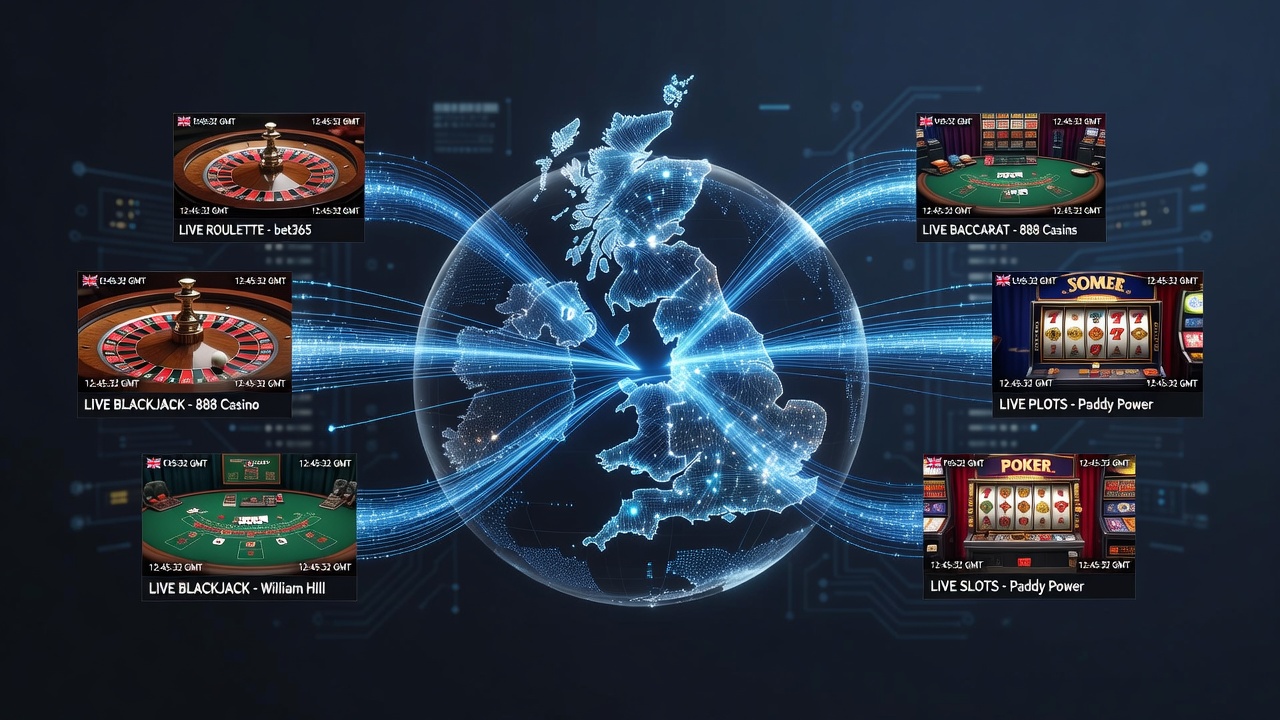
Live game streams from providers such as Evolution Gaming, Ezugi, and Playtech require precise coordination when delivered through different UK online casino portals, and this process relies on standardized APIs that align video feeds, player inputs, and payout calculations in real time. Observers note that synchronization prevents discrepancies where one portal might display a hand result seconds ahead of another, which could affect fairness perceptions among users accessing the same table from separate sites.
Core Technical Requirements for Stream Alignment
Multiple casino platforms connect to shared streaming servers through dedicated middleware layers that timestamp every action and reconcile latency differences across networks. Data indicates that these systems use protocols like WebRTC combined with custom buffering algorithms to maintain frame-level consistency, and companies handling this infrastructure often deploy edge servers in UK data centers to reduce jitter below 50 milliseconds. Researchers have documented cases where unsynchronized feeds led to temporary desyncs during high-traffic periods, prompting operators to adopt redundant pathways that switch automatically when primary connections degrade.
Role of Regulatory Frameworks in Multi-Provider Operations
Standards from bodies outside the UK, including guidelines issued by the Malta Gaming Authority, influence how operators structure their live-stream integrations because many providers hold licenses across jurisdictions. These frameworks emphasize audit trails for every stream segment, requiring portals to log synchronization events and demonstrate that all users receive identical game outcomes regardless of the access point. Figures from industry reports show that compliance checks in this area increased notably by August 2026 as more portals adopted cross-provider tables.
What's interesting is how these rules intersect with technical implementations, since operators must prove that delay compensation mechanisms do not alter random number generation or dealer actions. One study revealed that portals using unified control panels could monitor multiple providers simultaneously, flagging any drift in stream timing before it reaches players.
Integration Patterns Across Casino Networks
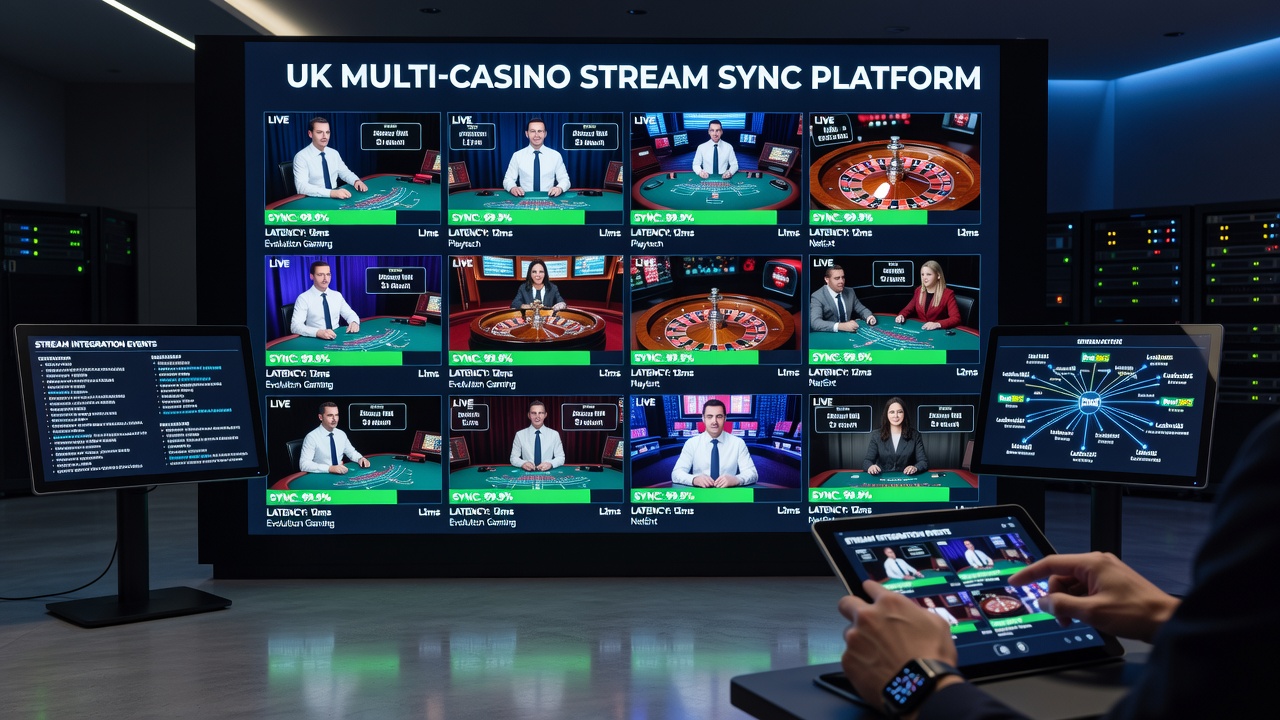
Casino groups frequently aggregate feeds from several suppliers into single lobby interfaces, allowing players to switch tables without leaving the portal environment. This aggregation demands a central orchestration service that normalizes data formats from each provider, converting proprietary metadata into a common schema for bets, results, and chat functions. Experts have observed that larger networks maintain dedicated synchronization teams that test cross-portal consistency daily, using scripted player simulations to verify that identical wagers produce matching outcomes everywhere.
Turns out that smaller portals sometimes rely on third-party synchronization services rather than building custom solutions, which reduces development costs but introduces dependency on external uptime guarantees. Reports from the Nevada Gaming Control Board highlight similar multi-jurisdictional challenges, where comparable alignment techniques support live games across state lines without regulatory conflicts.
Operational Benefits and Implementation Examples
Unified streams enable casinos to offer wider table variety without maintaining separate infrastructures for each provider, and this consolidation supports features like shared progressive jackpots that draw from combined player pools. People who've examined deployment logs note that successful rollouts often begin with limited provider pairs before expanding to full catalogs, allowing teams to refine latency handling under controlled conditions. Evidence suggests that by August 2026, several UK-facing networks had achieved sub-second alignment across five or more live suppliers simultaneously.
Those who've studied this process point to specific middleware platforms that handle failover when one provider's stream encounters regional network congestion. The approach keeps all connected portals in sync by rerouting through backup nodes while preserving the original game state, so ongoing rounds continue uninterrupted for every participant.
Challenges in Maintaining Consistency
Network variability across user devices and internet service providers remains a persistent factor, requiring portals to implement client-side compensation that adjusts playback without introducing artificial delays. Data shows that peak evening hours in the UK often coincide with the highest synchronization error rates, prompting operators to pre-cache certain stream elements on content delivery networks. Observers note that security protocols add another layer of complexity, since encrypted streams must still permit real-time monitoring for regulatory audits.
Conclusion
The synchronization of multi-provider live game streams continues to evolve as UK online casino portals expand their offerings, driven by technical standards and cross-jurisdictional regulatory expectations. Ongoing refinements in API compatibility and network infrastructure support consistent player experiences across diverse access points, while documented practices from other regions provide reference points for further development in this area.