Tracing the Path of Preference-Responsive Interfaces in Modern Reel-Spin Games
Freya Müller · Jul 29, 2026
Tracing the Path of Preference-Responsive Interfaces in Modern Reel-Spin Games
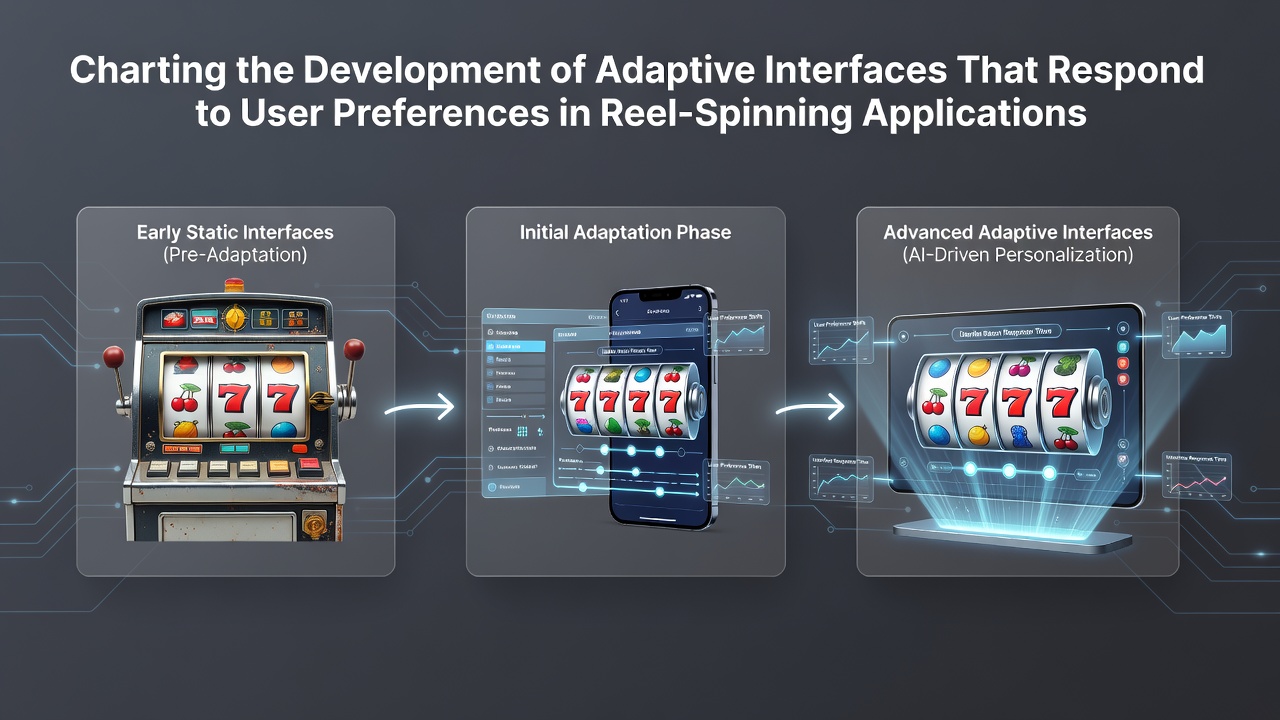
Developers have tracked the shift from fixed layouts to systems that adjust visuals, sound levels, and bonus triggers based on patterns in individual play sessions, and this progression spans more than a decade of incremental software updates across desktop and mobile platforms. Early reel-spinning titles relied on static menus and uniform reel speeds, yet data logs from operator servers showed consistent drop-off rates after the first thirty minutes for many users, prompting studios to test basic preference toggles such as theme color swaps and autoplay duration selectors. Those initial experiments laid groundwork for algorithms that now monitor bet sizing habits, session length, and feature selection frequency in real time.
Early Experiments With User Data Collection
Research teams at several game studios began logging anonymized interaction metrics around 2015, and those datasets revealed clear clusters of players who favored high-volatility titles versus others who selected frequent small wins. Engineers then introduced simple rule-based scripts that swapped background music tracks or highlighted different payline options after a set number of spins, and the approach reduced early exits in controlled beta tests. By 2018, machine-learning models replaced many of those scripts, allowing interfaces to predict preferred reel-stop animations without requiring explicit menu selections from the player.
Core Mechanics Behind Current Adaptive Systems
Modern implementations pull from several data streams at once, including touch pressure on mobile screens, time spent viewing paytables, and even cursor hover patterns on desktop versions. When the system detects repeated selection of low-stake spins followed by quick cash-outs, it may surface smaller jackpot options or dim high-risk bonus rounds automatically. Conversely, extended play at maximum bet levels often triggers brighter win celebrations and faster reel acceleration to match the observed pace. These adjustments occur within milliseconds and remain invisible to casual observers while still respecting regulatory limits on random number generation fairness.
Regional Adoption Patterns Through Mid-2026
European operators reported widespread rollout of adaptive color schemes by early 2025, and similar frameworks reached North American regulated markets shortly afterward. In July 2026, several Canadian provincial platforms integrated voice-command shortcuts that further personalize reel speed and sound mixing, building on earlier European trials. Australian developers meanwhile focused on accessibility layers, letting the interface enlarge symbol sizes for users whose session data indicated longer average play intervals. Industry reports from the American Gaming Association note that these layered adjustments have coincided with measurable extensions in average session duration across participating sites.

Technical Integration With Existing Game Engines
Studios typically embed lightweight preference modules directly into the core game loop rather than running separate applications, which keeps latency low and avoids extra battery drain on handheld devices. The modules communicate with centralized analytics servers only after each completed spin cycle, transmitting aggregated preference vectors instead of raw keystroke logs. This architecture satisfies data-protection standards in multiple jurisdictions while still supplying enough detail for the interface to evolve throughout a single session. One documented case involved a Mediterranean-themed title that shifted its soundtrack from upbeat strings to ambient waves after detecting repeated low-bet spins late at night, a change driven entirely by aggregated user telemetry rather than manual coding.
Player Feedback Loops And Iterative Refinement
Operators close the loop by presenting optional post-session surveys that feed back into model training, and those responses help correct for edge cases such as shared devices or sudden preference shifts during tournaments. Researchers at several universities have examined these loops and confirmed that interfaces incorporating even modest feedback mechanisms produce higher retention figures than purely static alternatives. The process remains iterative because new game mechanics, such as cascading symbols or expanding wilds, introduce fresh variables that require updated training data sets.
Future Trajectories Beyond 2026
Engineers continue exploring integration with wearable fitness trackers to gauge excitement levels during bonus rounds, though current deployments stay limited to controlled pilot programs. Parallel work focuses on cross-game preference portability, allowing a player’s established settings to travel between titles from the same studio without repeated calibration. Regulatory bodies in various regions have begun drafting guidelines that emphasize transparency about data usage while still permitting these behind-the-scenes adjustments. Observers note that the same modular design principles now appearing in reel-spinning applications are also migrating into other casino verticals such as virtual table games.
Conclusion
The development arc of adaptive interfaces in reel-spinning applications reflects steady accumulation of interaction data, successive software refinements, and careful alignment with regional compliance frameworks. Continued measurement of session metrics alongside measured incorporation of user feedback sustains the cycle of incremental improvement across platforms and markets.